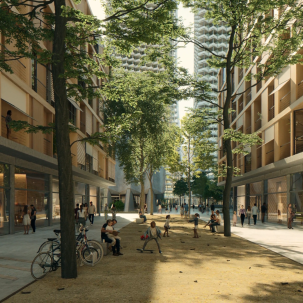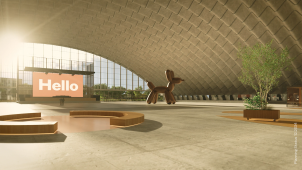
The Paketposthalle is a unique place in Munich. A listed historic landmark, a piece of the city’s history, and at the same time a space that already demonstrates what the future of urban life can look like: openness, diversity, and shared experiences.
With Pineapple Park, a temporary-use concept has been created on the grounds of the future PaketPost Quartier that is far more than a short-term activation. It brings people together, creates space for sports, culture, and social interaction, and allows Munich residents to experience the site as part of their everyday lives today.
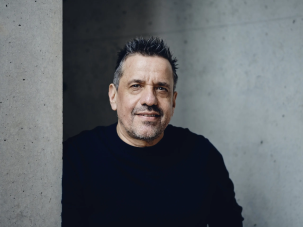
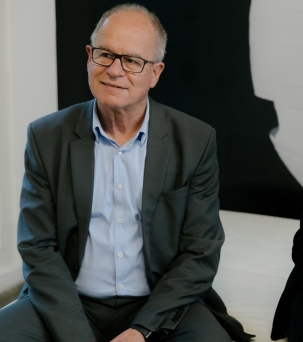
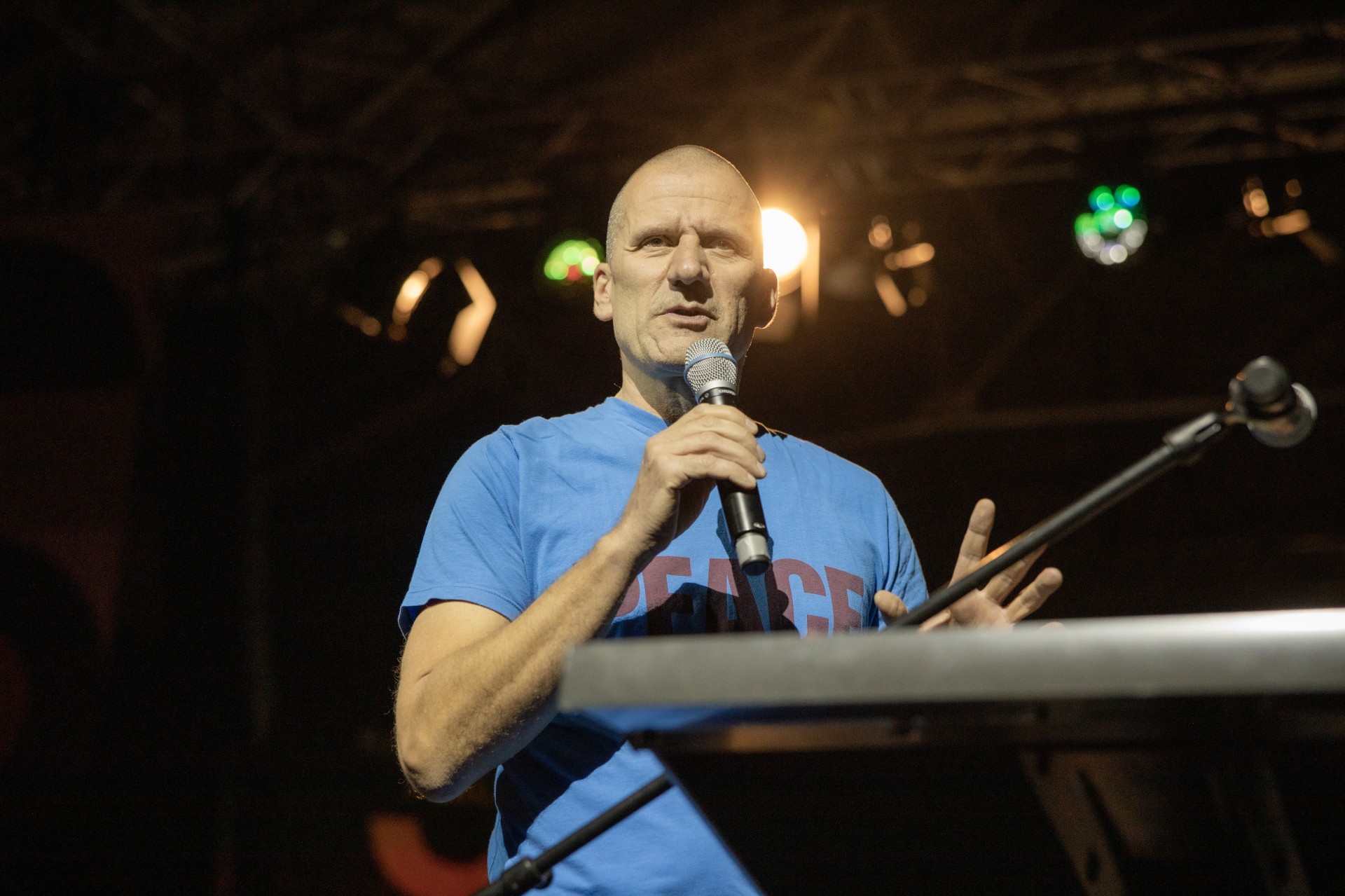
The concept and programming are led by Michi Kern, whose vision for Pineapple Park is to create an open and welcoming destination for everyone.
In this interview, he explains why temporary use is much more than simply filling a gap, how sports and culture can strengthen communities, and why the Paketposthalle is already revealing the extraordinary potential of this location.
Mr. Kern, what does Pineapple Park mean to you personally?
For me, Pineapple Park is above all a place where you can feel how much becomes possible when you open up spaces. Munich is a city where available space is scarce. Young people, community initiatives, sports groups, and cultural organizations are often looking for places where they can come together and operate without barriers. That is exactly where Pineapple Park comes in.
We didn’t want to create a closed-off event venue. We wanted to create an open meeting place — a destination where people can simply drop by. Whether it’s to play basketball, attend an event, visit an exhibition, or simply meet other people. What matters most to me is that Pineapple Park remains accessible and welcoming to everyone. Everyone is invited to join in.
So PaketPost Quartier is not just used for individual events, but is lively on a regular basis?
Absolutely. The district is not a vacant site that is activated only occasionally. It is in continuous use. Week after week, several thousand people visit the area. Some attend events, others use the sports facilities or take part in open community activities. Many come as part of their everyday routine, not just for major events.
This combination is what makes the place special. There are large-scale formats that attract significant audiences, such as street food festivals with up to around 10,000 visitors over a single weekend. Then there are recurring events like the Midnightbazar, which takes place every Friday and Saturday. But the everyday uses are just as important: free basketball and football courts, open training sessions, youth programs, and smaller community-focused formats. These activities may generate fewer headlines, but they are incredibly valuable for the city’s social fabric.
What role does Büschl Unternehmensgruppe play in all of this?
A very important one. It is far from a given that Büschl Unternehmensgruppe, as the property owner, makes large parts of PaketPost Quartier available to us. A site like this could just as easily be secured, fenced off, and held until long-term development begins. Instead, the decision was made to make the space accessible and usable already today. That sends a strong signal for Munich.
What makes Pineapple Park particularly attractive for teenagers and young people?
Young people need spaces that are not immediately associated with barriers or restrictions. Places where they can be active, where they feel visible, but also where they can simply be themselves.
That is exactly what Pineapple Park offers. The basketball and football courts are available free of charge every day and can be used without registration. Beach volleyball courts can also be used free of charge during the morning hours. In addition, there are weekly free youth programs as well as other open spaces. To me, this is one of the most important aspects of the project.
When young people have a place where they can easily engage in sports, a sense of community develops very quickly. Conversations start naturally, and people from different neighborhoods and backgrounds meet and connect.
Pineapple Park brings together sports, culture, markets, and exhibitions. Why is this mix so important?
Because that is what city life is all about. A city does not function in separate categories. People are not interested only in sports or only in culture — they move between different interests and experiences.
Someone may come to play basketball and end up staying for an event. Someone else may visit an exhibition and then discover the night flea market afterwards. For us, it is important that Pineapple Park is not geared toward a single scene or community. It should remain open and appeal to a broad audience. We offer plenty of space for initiatives and want a diverse range of people to find something here that resonates with them.
Which figures best demonstrate that the interim use concept is working?
For me, the strongest indicator is the consistent level of activity. Success is not only about large events attracting significant crowds. What matters most is that the site is alive week after week.
On average, we welcome up to 1,000 people per day across the site.
What does interim use mean to you in general?
I sometimes feel that the term itself is too limited. “Interim use” sounds temporary — like a solution that simply fills the gap between two phases. And of course, in some ways that is true. But successful interim use can be much more than that.
It can test new ideas and reveal what works. It can introduce people to a place and make a meaningful contribution to urban life. To me, interim use is successful when it no longer feels temporary, but instead becomes a vibrant part of the city — creating its own momentum, energy, and sense of ease. That is exactly what we are striving for here.
What are your hopes for the future of Pineapple Park?
I hope that even more people discover the site for themselves. Above all, I would like to see more initiatives, associations, young sports groups, cultural organizations, and creative projects view Pineapple Park as an opportunity.
We have the space — and we want it to be used.